Understanding Burnout and Chronic Stress
Burnout and chronic stress can affect your energy, mood, motivation and overall wellbeing. Learn the signs of burnout, how it differs from everyday stress, and how evidence-based therapy can help you regain balance and resilience.

Lisa Arnold
Clinical Psychologist & Director
Understanding Burnout and Chronic Stress
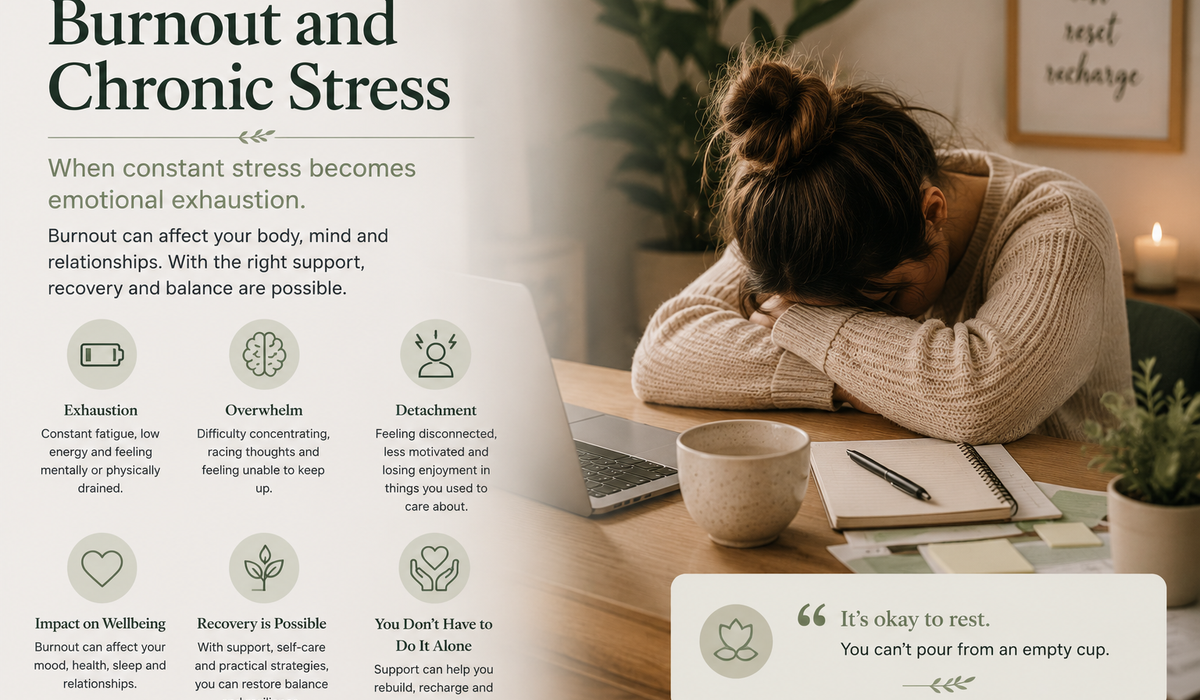
When Constant Stress Becomes Emotional Exhaustion
We all experience stress from time to time. In small amounts, stress can help us meet deadlines, solve problems and adapt to life's challenges.
However, when stress becomes constant and there is little opportunity to rest or recover, it can lead to burnout.
Burnout is more than simply feeling tired. It is a state of physical, emotional and mental exhaustion that can affect every aspect of your life.
The good news is that burnout is treatable, and with the right support, recovery is possible.
What is burnout?
Burnout develops after prolonged or ongoing stress that overwhelms your ability to cope.
Although burnout is often associated with work, it can also affect parents, carers, students and anyone experiencing long-term emotional demands.
Unlike everyday stress, burnout doesn't disappear after a good night's sleep or a weekend away. Without support, it can continue to affect your health, relationships and quality of life.
Common signs of burnout and chronic stress
Burnout and chronic stress can affect everyone differently, but common signs include:
- Feeling emotionally or physically exhausted
- Constant fatigue, even after resting
- Difficulty concentrating or making decisions
- Feeling overwhelmed by everyday tasks
- Becoming more irritable or emotionally reactive
- Losing motivation or enjoyment in activities
- Withdrawing from others
- Feeling disconnected from yourself or your work
Recognising these signs early can help prevent burnout from becoming more severe.
Burnout vs stress
Stress is usually temporary and often improves once the situation changes.
Burnout develops when stress continues for a prolonged period without enough time to recover. Over time, this can leave you feeling emotionally drained, detached and unable to function at your usual level.
Understanding the difference is an important first step towards recovery.
How therapy can help
Evidence-based therapy can help you understand the factors contributing to burnout and develop practical strategies to restore balance and wellbeing.
At Picton Psychology, treatment is tailored to your individual needs and may include Cognitive Behavioural Therapy (CBT), Acceptance and Commitment Therapy (ACT), mindfulness-based strategies and other evidence-based approaches.
Therapy can help you:
- Better understand the impact of chronic stress
- Develop healthier boundaries
- Improve emotional regulation
- Rebuild energy and resilience
- Strengthen coping strategies
- Restore balance between work, relationships and personal wellbeing
Recovery is not about doing more, it's about creating a more sustainable way of living.
Take the Next Step
If you're feeling emotionally exhausted, overwhelmed or constantly running on empty, you don't have to manage it alone. Seeking support can help you better understand the impact of chronic stress, rebuild your resilience and regain a sense of balance.
Our clinicians provide compassionate, evidence-based care tailored to your individual needs. Whether you're ready to book an appointment or simply have questions about where to start, we're here to help.
Keep reading
All articles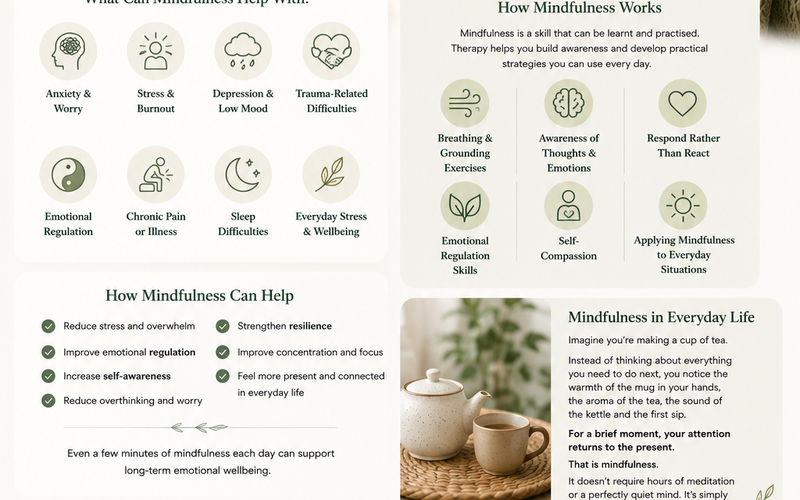
Understanding Mindfulness Based Strategies
Mindfulness is an evidence-based approach that helps you become more aware of your thoughts, emotions and physical sensations without judgement. Learn how mindfulness-based strategies can reduce stress, improve emotional wellbeing and help you respond more calmly to life's challenges.

Understanding Gottman Relationship Therapy
The Gottman Method is an evidence-based approach to couples therapy developed from more than 50 years of relationship research. Learn how Gottman Relationship Therapy helps couples improve communication, rebuild trust and strengthen emotional connection.
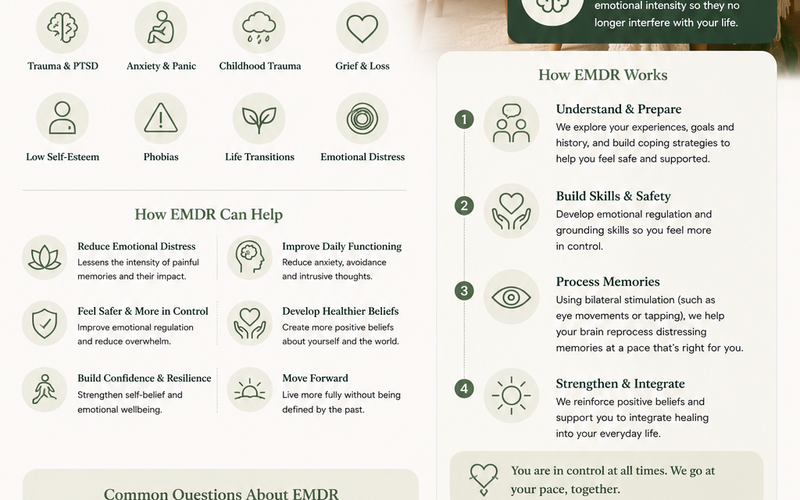
Understanding EMDR Therapy
Eye Movement Desensitisation and Reprocessing (EMDR) is an evidence-based therapy that helps the brain process distressing memories and reduce their emotional impact. Learn how EMDR works, what to expect during treatment and how it can support recovery from trauma and other distressing life experiences.